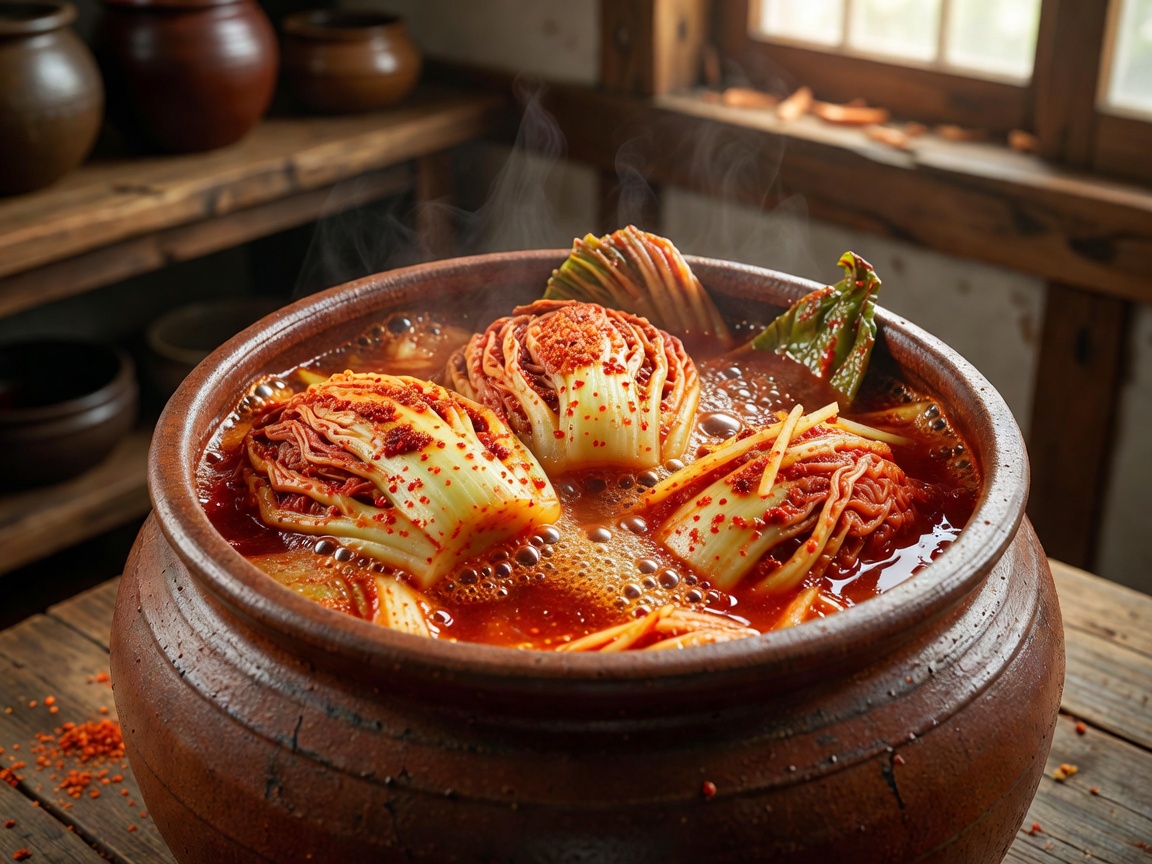
The Necessity of Survival
Before the advent of artificial refrigeration, human survival heavily depended on outsmarting decay. Every harvest and every hunt presented a ticking clock. If a community could not stretch the bounty of autumn through the barren winter, they would face starvation.
From this strict biological necessity arose the arts of preservation: smoking, drying, salting, curing, and most fascinating of all, fermentation. Fermentation is essentially controlled decay. By cultivating benign or beneficial microorganisms—bacteria, yeasts, and molds—humans learned to create environments hostile to dangerous pathogens, extending the lifespan of food while inadvertently unlocking entirely new dimensions of flavour.
Lacto-Fermentation: Kimchi and Sauerkraut
One of the most widespread preservation techniques is lactic acid fermentation. This process relies on Lactobacillus bacteria, which are naturally present on the surface of most vegetables. When vegetables are submerged in a brine or massaged with salt to release their own liquids, an anaerobic (oxygen-free) environment is created.
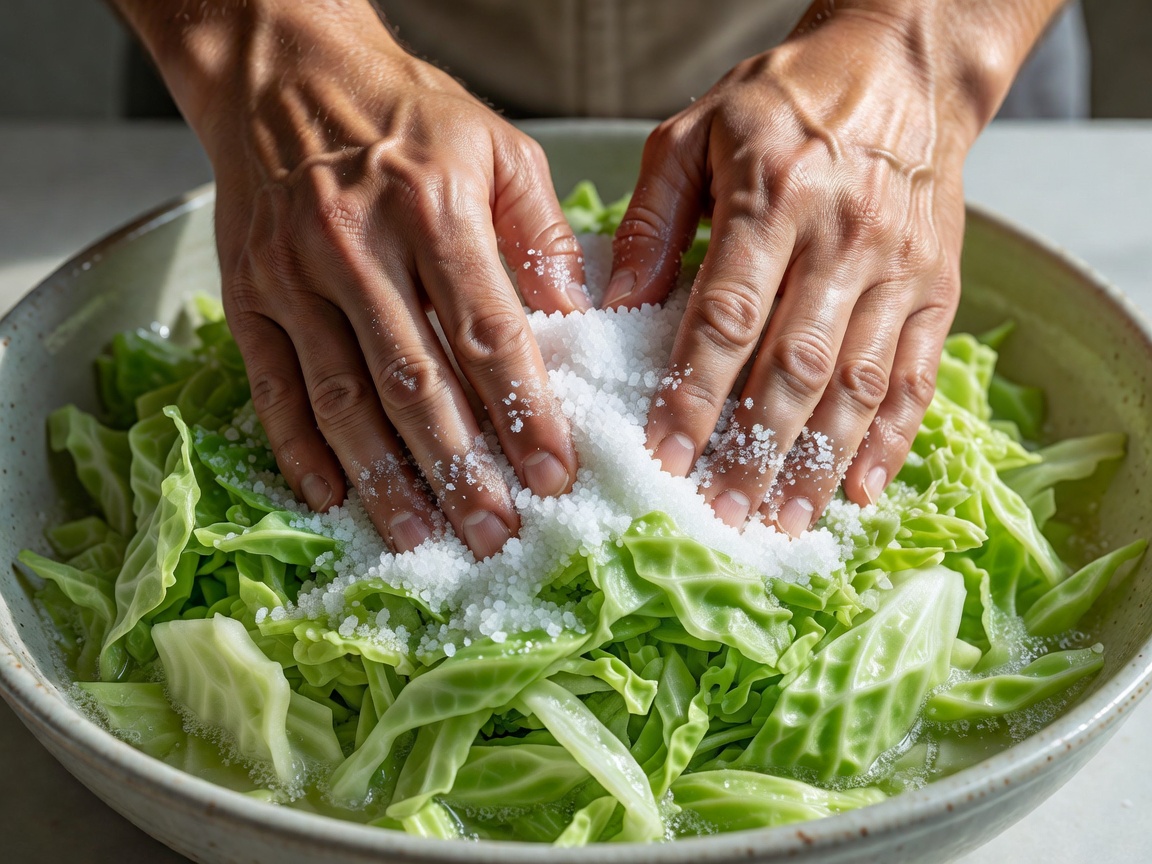
The Brine Barrier
In this salty, oxygen-free zone, harmful bacteria perish, while lactic acid bacteria thrive, consuming the natural sugars in the vegetables and converting them into lactic acid. This acid gives fermented foods like Korean Kimchi and German Sauerkraut their characteristic tangy, sour bite.
Kimchi elevates this basic process by incorporating a complex paste of gochugaru (chili flakes), garlic, ginger, and jeotgal (salted seafood). The fermentation of the seafood alongside the cabbage creates a deep, profound umami that fresh vegetables alone can never achieve.
Kōji: The Magic Mold of Japan
While Western fermentation often relies on bacteria and yeasts, East Asian fermentation heavily utilises mold. The cornerstone of Japanese cuisine is Aspergillus oryzae, known as Kōji.
Kōji is grown on steamed grains, usually rice, barley, or soybeans. As the mold grows, it releases a powerful battery of enzymes (proteases and amylases). When these enzymes break down the starches and proteins of the grain, they create incredible amounts of sugar and amino acids, specifically glutamate—the compound responsible for umami.
The Foundation of Flavour: Without Kōji, there is no soy sauce, no miso paste, no sake, and no mirin. It is a brilliant prehistoric biotechnology that transforms basic, bland proteins into deeply savory, complex seasonings that define an entire nation's palate.
Extreme Preservation: Surströmming
In northern Sweden, the harsh climate necessitated extreme preservation techniques for the seasonal catch of Baltic herring. The result is Surströmming, famously known as one of the most pungent smelling foods in the world.
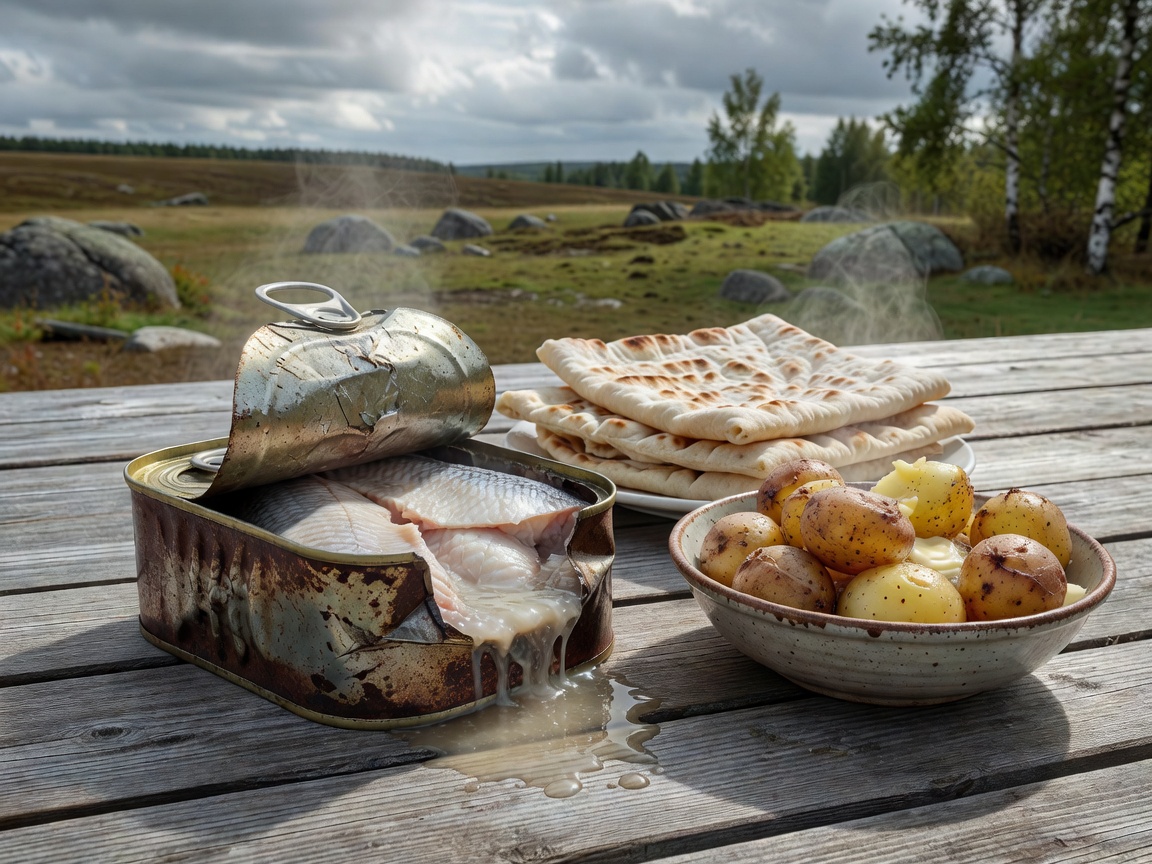
The Science of the Stink
The herring is lightly salted—just enough to prevent rotting, but not enough to stop fermentation. Haloanaerobium bacteria in the fish break down glycogen into acids, while simultaneously producing hydrogen sulfide (rotten eggs smell), butyric acid (rancid butter smell), and propionic acid (pungent sweat smell).
While the smell is overpowering, locals consume it outdoors, traditionally placing the fish on thin tunnbröd (flatbread) with potatoes, sour cream, and diced onions. The strong aromatics mask a surprisingly subtle, sharp, and savory fish flavour. It is a true testament to adapting to extreme geographic constraints.
Traditional vs. Modern Approaches
Today, with global logistics and refrigeration, we no longer need to ferment or cure to survive. Yet, these traditions have not faded. In fact, they are experiencing a massive culinary revival. Chefs and home cooks alike are returning to these ancient methods not for preservation, but purely for the unparalleled depth of flavour and textural complexity they offer.