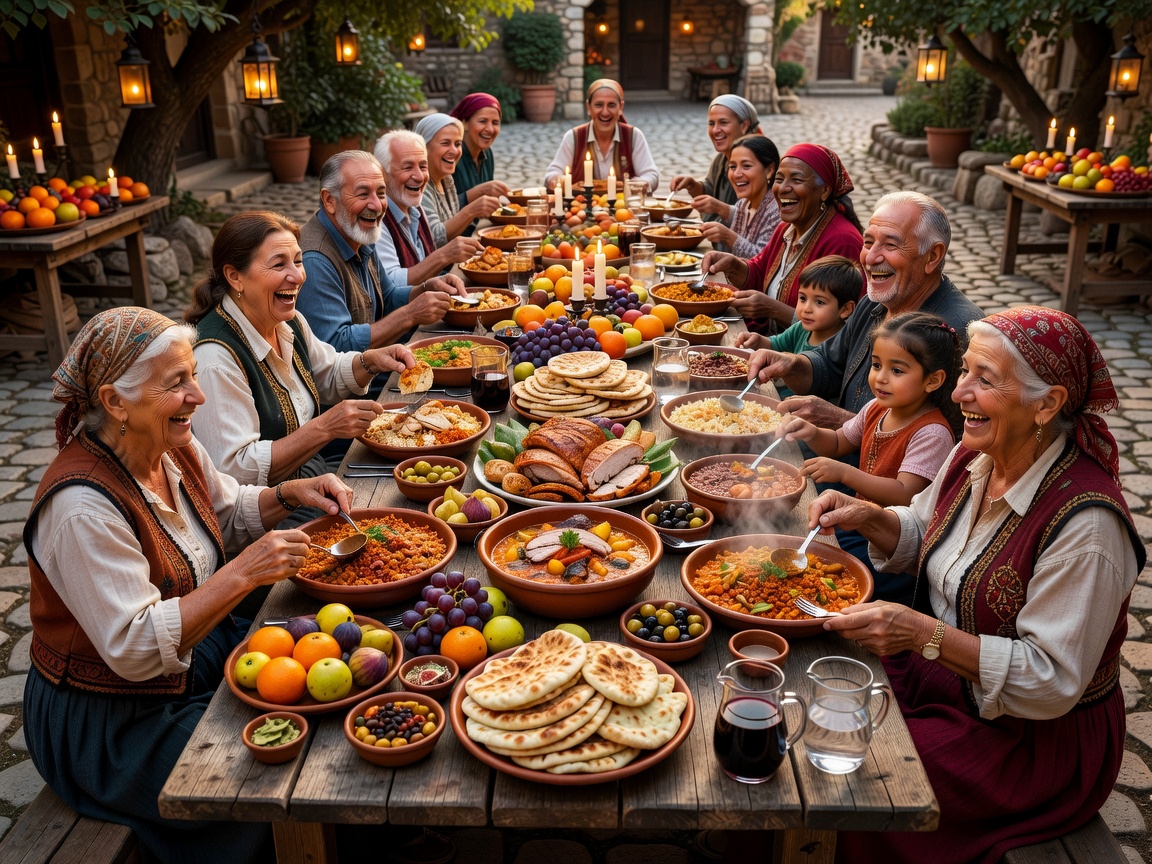
More Than Sustenance
To view food strictly as fuel is to ignore the rich tapestry of human history. Traditions surrounding the harvesting, preparation, and consumption of food are often the most enduring expressions of a culture's identity. Unfamiliar cooking techniques and ceremonial meals frequently stem from ancient agricultural rhythms, religious beliefs, or historical necessities of survival.
By studying food traditions, we can decode the history of migration, the reality of local climates, and the profound human need for communal bonding.
Earth Ovens: Pachamanca and Hāngī
Across vastly different continents, indigenous cultures developed remarkably similar methods for cooking large, celebratory feasts: the earth oven.
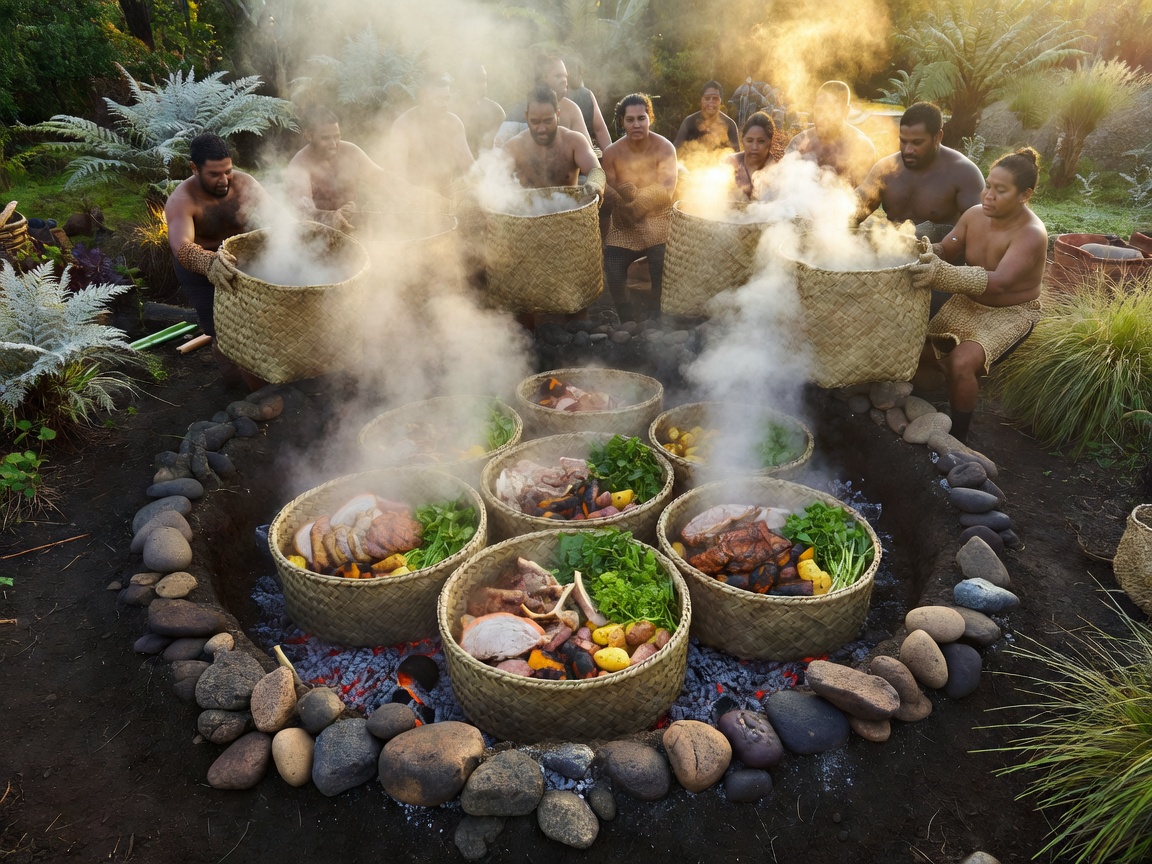
Cooking with the Landscape
In the Andes of Peru, the tradition is called Pachamanca (from the Quechua words for "earth" and "pot"). Stones are heated over a fire, then buried in a pit along with marinated meats, potatoes, and lima beans, covered in broad leaves and earth to steam for hours. It is a direct communion with "Pachamama" or Mother Earth.
Similarly, the Māori people of New Zealand utilise the Hāngī. Root vegetables and meats are placed in wire baskets over superheated rocks in a pit, covered with wet cloth and earth. Both traditions are inherently communal. Building the oven, preparing the immense volume of food, and waiting for the earth to yield its meal requires a collective effort, making the meal synonymous with community celebration.
La Tamalada: The Tamale Making Tradition
In Mexican and Mexican-American culture, the preparation of tamales is as important as the consumption. A Tamalada is a large gathering, usually composed of extended family, organised to assemble hundreds of tamales for Christmas or other major holidays.
Assembly Line of Kinship: Tamale making is highly labor-intensive. It requires preparing the masa (corn dough), stewing the fillings, soaking the corn husks, and individually assembling, folding, and steaming each tamale. By turning this into a communal assembly line, the labor is divided, and the kitchen becomes a space for storytelling, passing down family history, and maintaining generational bonds.
Osechi Ryōri: The Symbolism of the New Year
In Japan, the New Year (Oshogatsu) is welcomed with highly structured, symbolic meals known as Osechi Ryōri. The tradition originated in the Heian Period when it was considered taboo to use a hearth and cook meals during the first three days of the new year. Thus, osechi had to be prepared in advance and heavily preserved with sugar, salt, and vinegar.
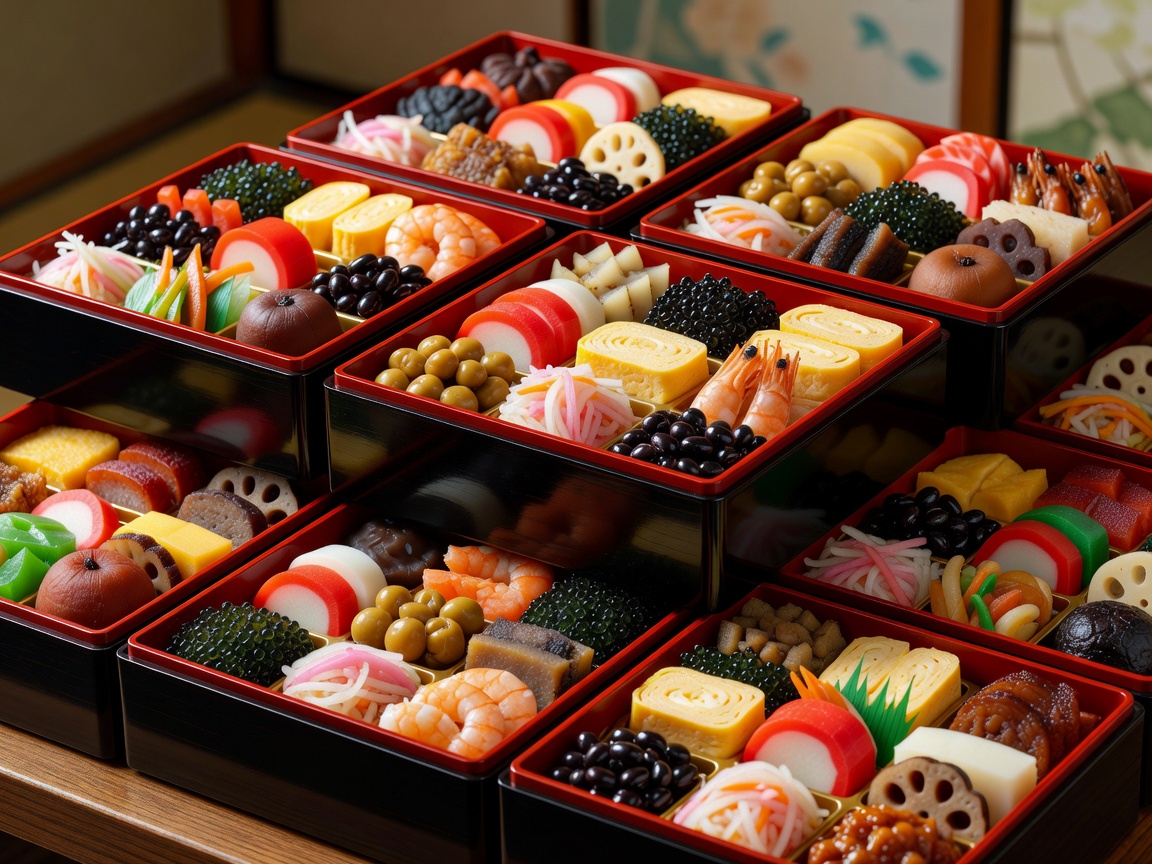
Edible Wishes
Served in tiered lacquer boxes called jubako, every single ingredient in an osechi meal is chosen for its symbolic meaning, often based on phonetic puns or visual resemblance.
For instance, Kuromame (sweet black soybeans) symbolise health and hard work. Kazunoko (herring roe) represents a wish for fertility and prosperous descendants. Ebi (shrimp), with their curved backs and long antennae, symbolise the wish for a long life until one's back is bent with age. The meal is a literal consumption of hopes for the coming year.
Communal Dining Dynamics
In many Western cultures, meals are served individually plated. However, large portions of the world prioritize communal, shared dining. Ethiopian cuisine relies on the injera—a large, spongy sourdough flatbread that serves as plate, utensil, and food all at once. Diners gather around a central platter, tearing off pieces of injera to scoop up deeply spiced stews (wats).
This shared physical space enforces a level of social cohesion. The act of eating from the same vessel demands awareness of others, pacing, and sharing—fundamental human traits reinforced three times a day through the simple act of eating.