Beyond the Standard Pantry
Every culinary tradition relies on a foundational set of ingredients: a combination of starches, proteins, alliums, and aromatics. However, geography, climate, and historical agricultural practices have led cultures to adopt wildly different raw materials. An ingredient that serves as an everyday seasoning in one part of the world might be viewed as an exotic curiosity or even inherently inedible elsewhere.
Understanding these ingredients before they are cooked provides invaluable insight into how human beings have adapted to their environments, discovering nourishment and complex flavour profiles in the most unexpected places.
Huitlacoche: The Mexican Truffle
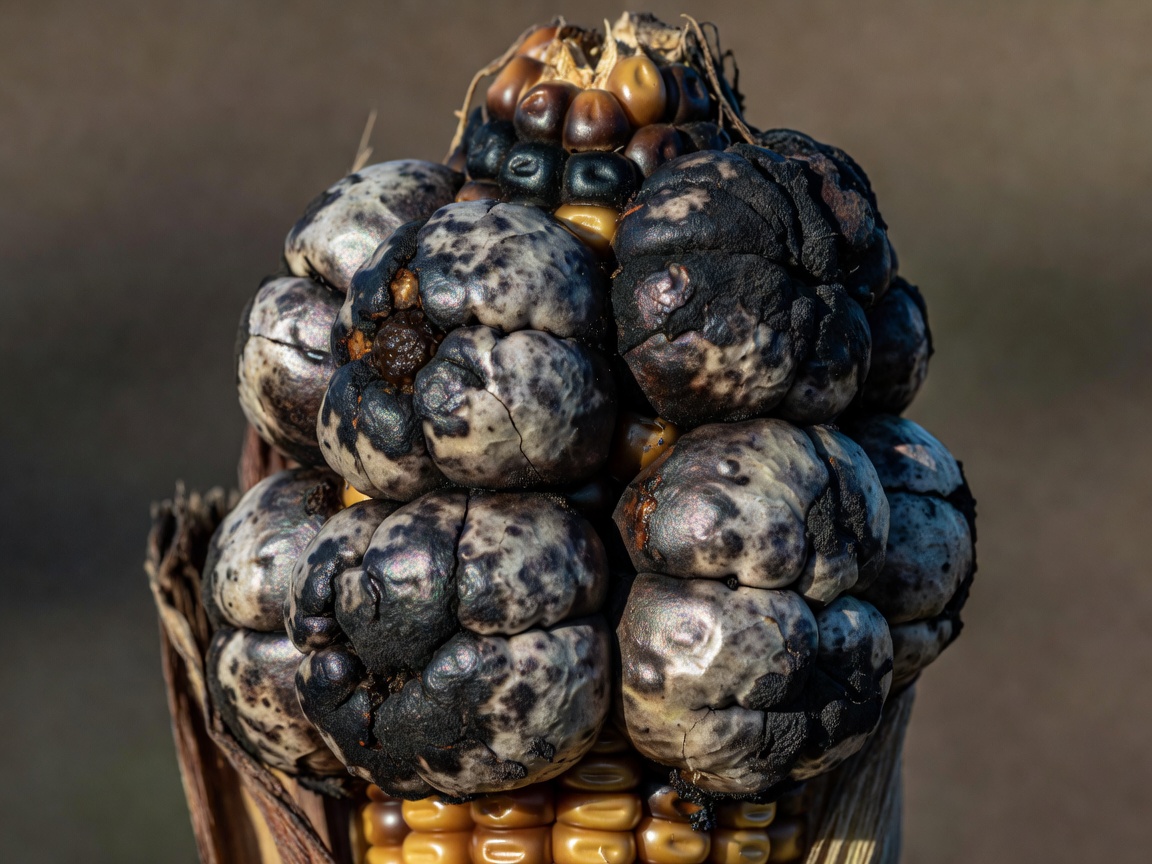
To an uninitiated farmer, Ustilago maydis is a devastating plant disease known as corn smut. It infects maize crops, causing the kernels to swell into large, grey, bulbous tumors. To traditional Mexican cuisine, however, it is Huitlacoche—a culinary delicacy dating back to the Aztecs.
Earthy Complexity
When cooked, the grey galls turn black and exude an intensely earthy, woody, and slightly smoky flavour, often compared to high-end truffles or wild mushrooms. It is rich in complex proteins and amino acids, specifically lysine, which corn typically lacks.
Huitlacoche is traditionally sautéed with onions, garlic, epazote, and sometimes jalapeños, then used as a filling for quesadillas, tamales, and tacos. The contrast between agricultural pest and revered ingredient perfectly illustrates how cultural knowledge dictates culinary value.
Durian: The King of Fruits
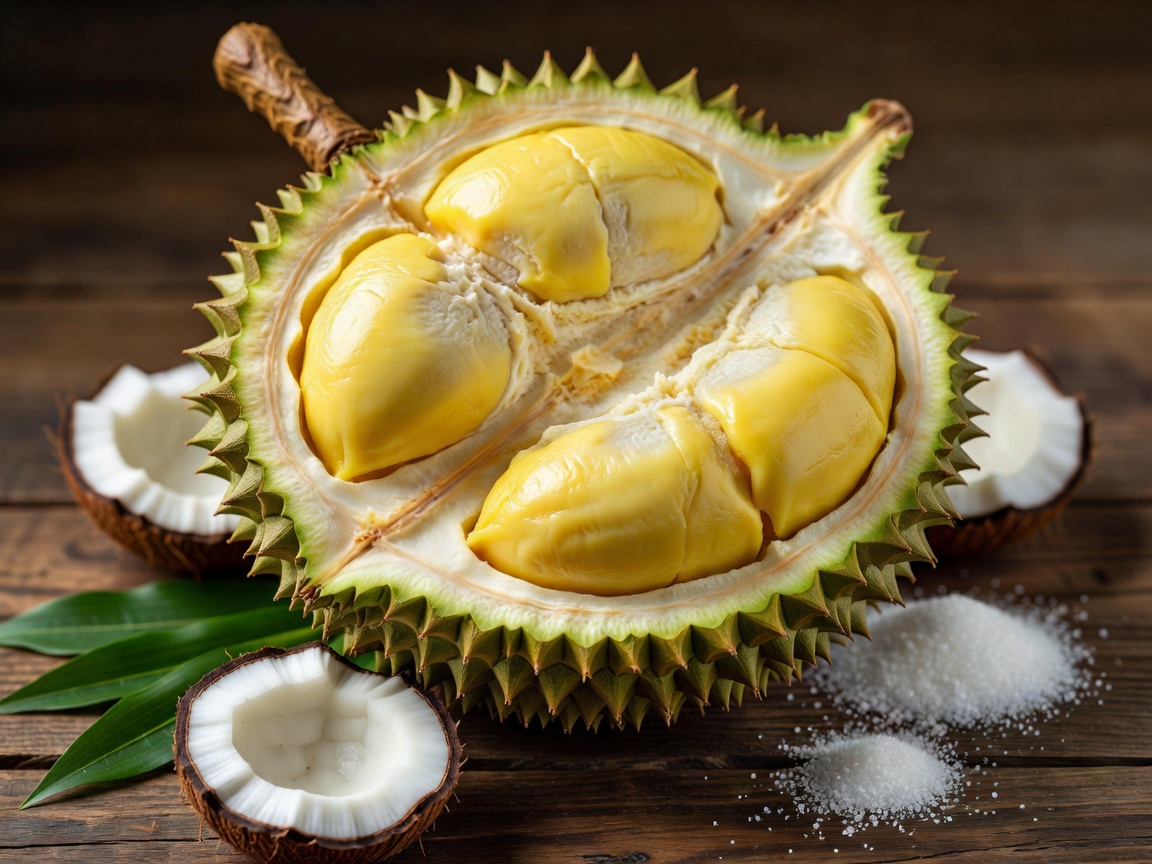
Native to Southeast Asia, the Durian is arguably the most divisive fruit on the planet. Encased in a formidable, thorn-covered husk, the edible flesh consists of creamy, pale-yellow to deep-orange pods.
The Aromatic Divide: The controversy of Durian lies entirely in its aroma. It contains highly volatile sulfur compounds. Detractors famously describe the smell as akin to raw sewage, rotting onions, or turpentine. Admirers, however, perceive a rich, sweet, custardy aroma with notes of almond, caramel, and complex cheeses.
Durian is fiercely loved in countries like Malaysia, Thailand, and Indonesia, where different cultivars (such as Musang King or Monthong) are debated with the same reverence as fine wine vintages. It is eaten raw, blended into milkshakes, baked into pastries, and even processed into savory curries.
Buddha's Hand: The Citrus Without Flesh
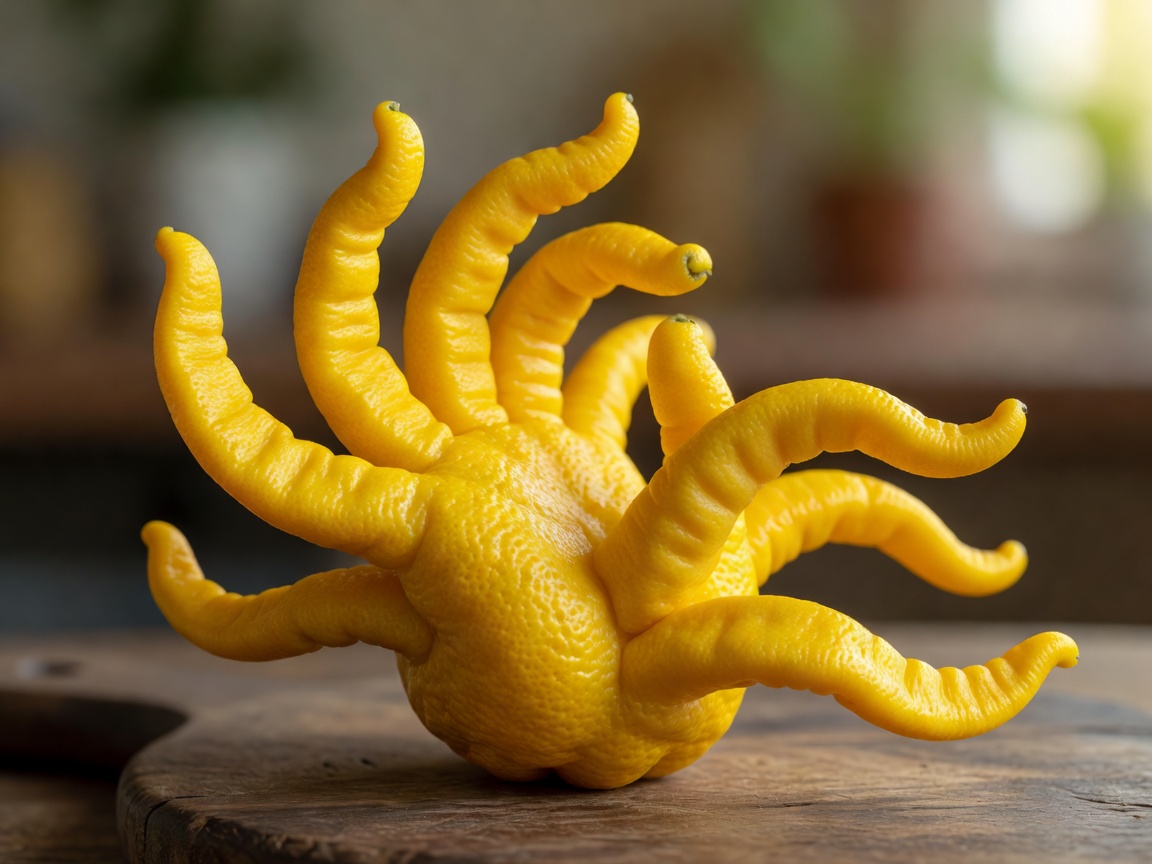
The Buddha's Hand is a variety of citron native to northeastern India or China. Visually, it is striking: the fruit is segmented into long, finger-like sections, resembling a bright yellow hand.
All Zest, No Juice
What makes Buddha's Hand unusual among citrus is its complete lack of pulp or juice. If you slice it open, you will find only a thick layer of white albedo (pith). Fortunately, unlike the bitter pith of lemons or oranges, the pith of the Buddha's Hand is sweet and entirely edible.
Because it is almost entirely rind, it contains concentrated amounts of essential citrus oils. It is highly prized for its lavender-like lemon fragrance. It is traditionally used to perfume rooms and clothing, but culinarily, it is candied, zested into baked goods, or infused into high-quality spirits and vinegars.
Bitter Melon (Karela)
While Western palates generally prefer sweet, salty, and umami profiles, many Asian and African culinary traditions embrace bitterness. The Bitter Melon, a member of the gourd family, looks like a cucumber covered in heavy, warty ridges.
As its name implies, it is aggressively bitter. The bitterness is functional; it stimulates digestion and is highly regarded in Ayurvedic and traditional Chinese medicine. To make it palatable, it is often salted and pressed to draw out the intense sap, then stir-fried with rich, fatty meats or heavily spiced with cumin and chili, balancing the sharp astringency with rich umami backbones.