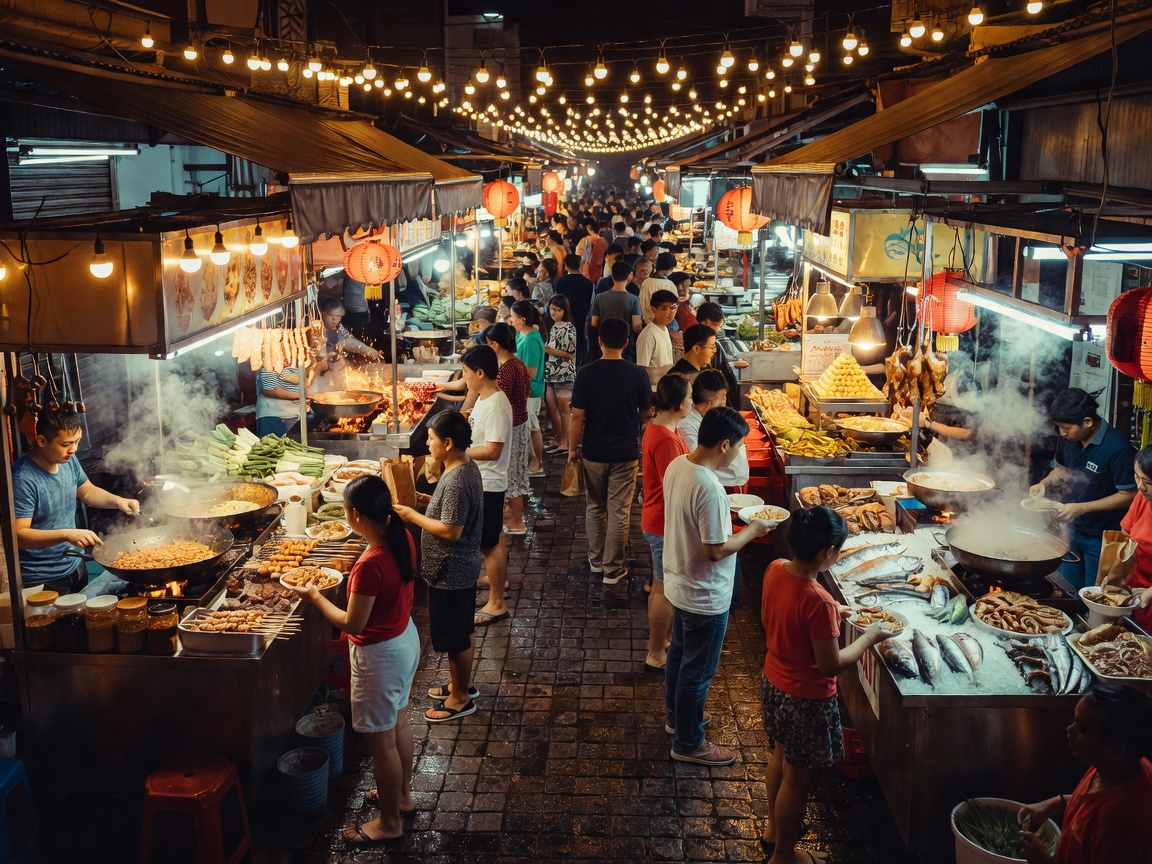
The Mindset of Culinary Exploration
Encountering unfamiliar food can trigger a strong biological response. Human beings have evolved to be naturally cautious around unfamiliar scents, textures, and appearances—a survival mechanism designed to prevent poisoning. However, in the context of global cultural exploration, this instinct can easily curdle into disrespect if left unexamined.
Navigating "strange foods" requires intentional recalibration. It demands substituting the immediate reaction of "this is weird" with the curious question, "why is this cherished?" By following a thoughtful framework of research and etiquette, you can experience global cuisine not as a shock-value challenge, but as an educational bridge between cultures.
1. Researching the Context
The difference between a profound culinary experience and a confusing one often comes down to context. Before approaching an unfamiliar ingredient or dish, establish its background.
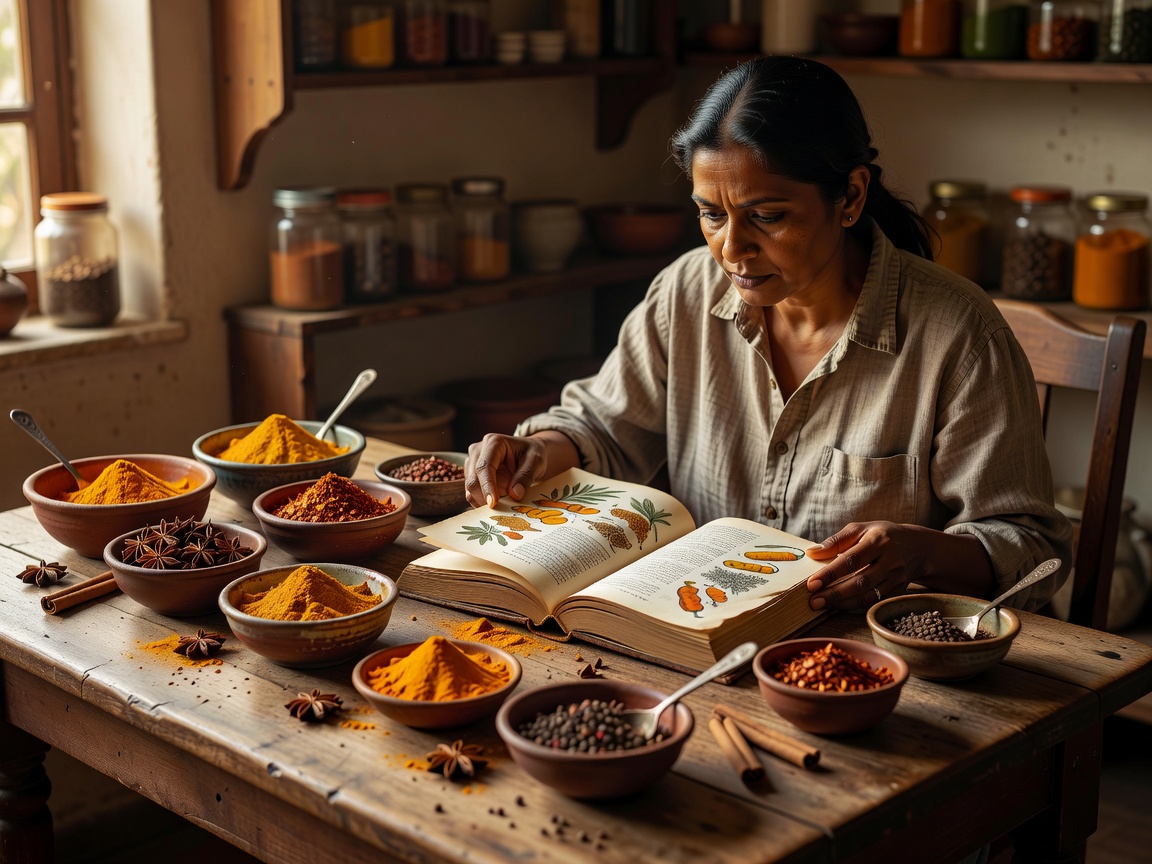
Ask Informed Questions
Is this dish historically rooted in poverty and survival, or is it a luxury item reserved for high ceremonies? Does its preparation require days of labor, or is it a quick street-food staple? Understanding the origin forces you to respect the food. For example, mocking a heavily preserved, pungent meat overlooks the fact that the preservation method likely allowed an entire village to survive a harsh winter centuries ago.
2. Managing Sensory Expectations
Many cultural misunderstandings regarding food occur because the diner's expectations are violently misaligned with reality. If you anticipate a savory profile but are presented with an earthy, fermented sweetness, the shock alone can ruin the tasting.
- Texture: Western diets heavily favour crunchy and tender textures. Many Asian cuisines highly value gelatinous, chewy, or "slimy" mouthfeels. Adjust your expectation away from "crispy" before tasting.
- Aroma vs. Flavour: Particularly with fermented foods or certain fruits (like Durian), the aroma does not match the taste. An intense scent of sulfur may yield a delicate, sweet, custardy flavour.
3. Cultural Etiquette
Eating is a social act governed by strict unwritten rules. How you eat is often as scrutinized as what you eat.
Distinguish Tradition from Novelty: Be wary of "tourist trap" novelty foods. A scorpion on a stick in a tourist market may be a modern invention meant solely to separate tourists from their money via shock value. True traditional foods are rarely designed to shock; they are designed to nourish the local population.
When trying food locally, observe how others are eating. Are utensils used, or hands? Are certain components meant to be mixed, or eaten sequentially? Asking a vendor or host, "How do you recommend I eat this?" is universally appreciated as a sign of respect.
4. Dietary and Safety Considerations
Respectful exploration does not mean abandoning common sense or personal health requirements.
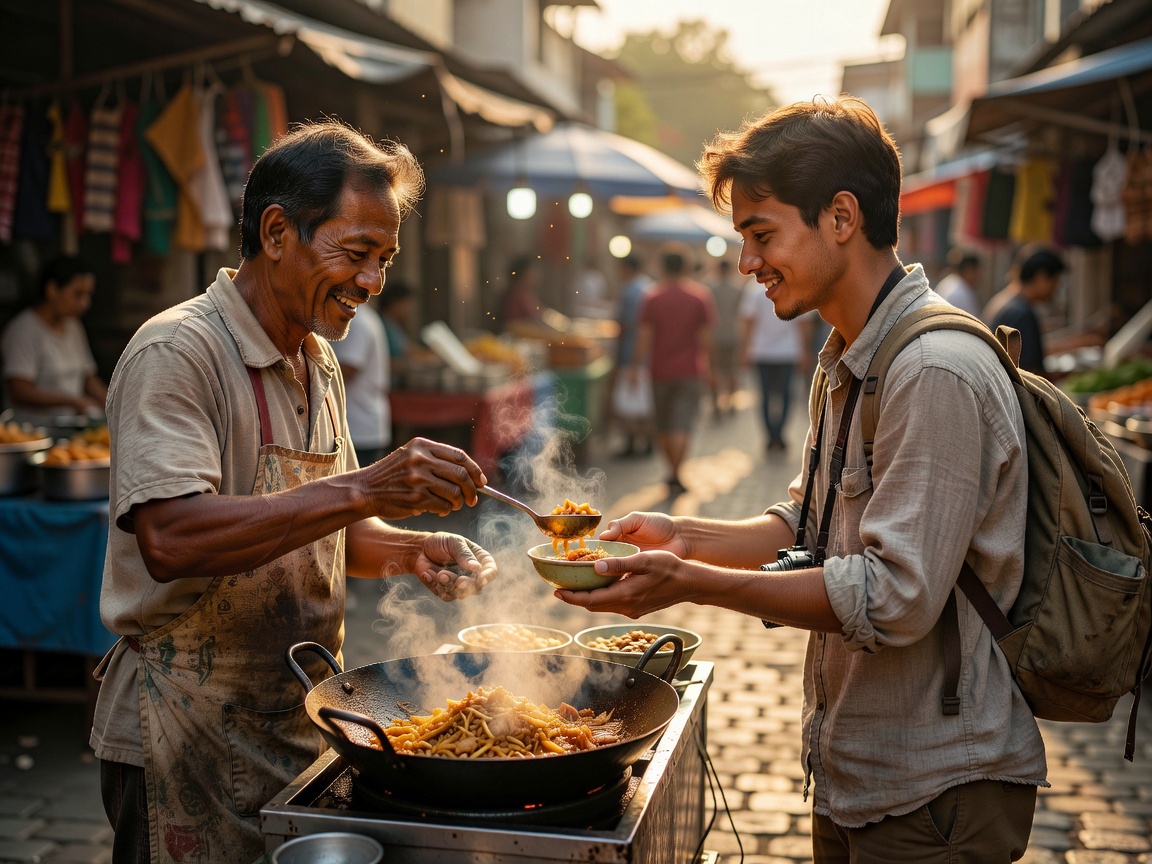
Know Your Boundaries
If you have genuine allergies, communicate them clearly. If you are unsure about water safety in a particular region, adhere to the standard travel advice: stick to foods that are freshly cooked at high heat right in front of you. Declining a dish for health reasons is perfectly acceptable; mocking it is not.
A Quick Checklist for the Curious Eater
Before your next culinary leap, run through these quick points:
- Have I suppressed the urge to compare it to my normal diet?
- Do I understand basic etiquette for this dish?
- Am I expecting a specific texture, and am I open to a different one?
- Is my reaction rooted in genuine taste, or just unfamiliarity?