The Anatomy of an Unfamiliar Dish
What transforms a meal from a daily staple into an "unusual dish" in the eyes of an outsider? Usually, it is a divergence in fundamental culinary expectations. The Western palate, for example, often prizes crispness and clear separation of flavours. When faced with dishes that prioritize gelatinous textures, intense pungent aromas, or ingredients entirely foreign to their agricultural history, the immediate reaction can be apprehension.
To truly appreciate these dishes, one must decouple personal preference from objective culinary value. Every dish featured here exists because generations of cooks found joy, sustenance, and cultural identity in its preparation.
Hákarl: The Fermented Shark of Iceland
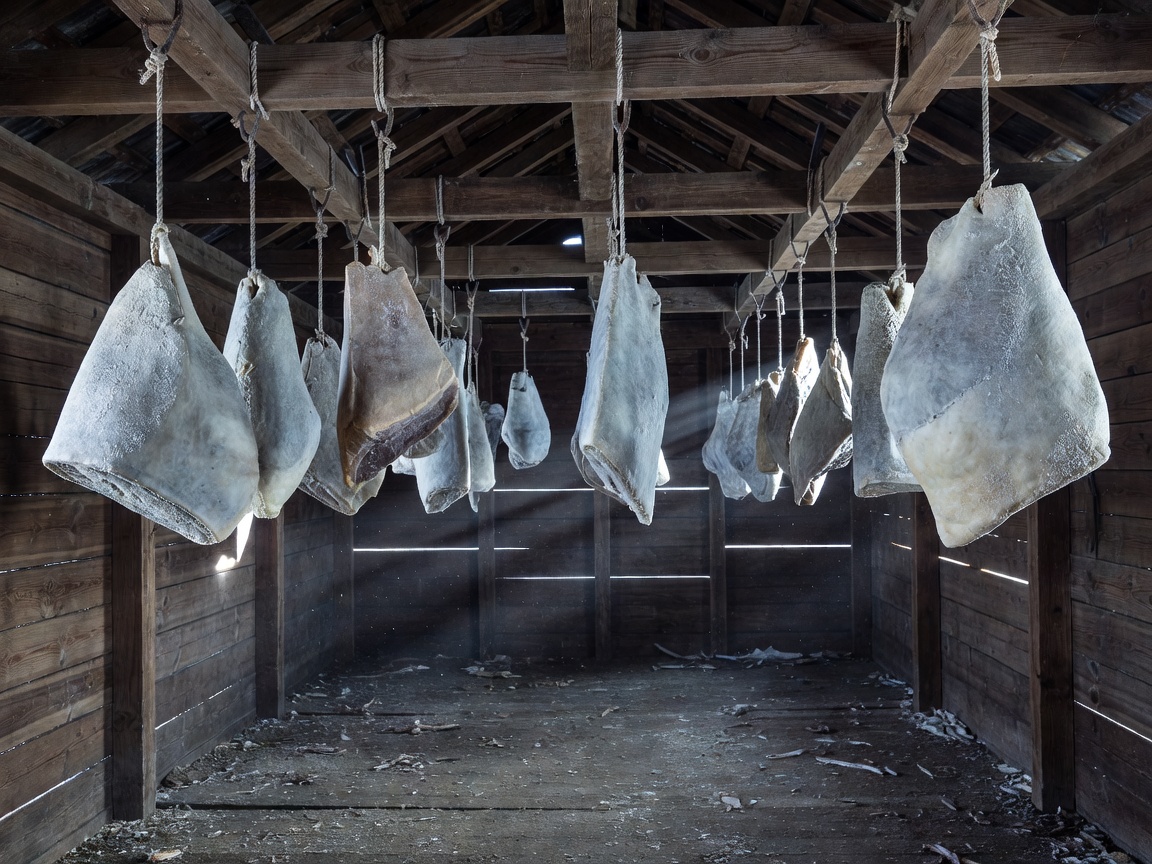
Perhaps one of the most infamously misunderstood dishes in the world is Hákarl. Originating in Iceland, this dish consists of Greenland shark that has been cured with a particular fermentation process and hung to dry for several months.
The Necessity of Poison Removal
The Greenland shark is naturally toxic when fresh due to high levels of urea and trimethylamine oxide in its flesh—an adaptation to deep, freezing waters. Early Icelanders, inhabiting an isolated island with harsh winters and limited resources, could not afford to waste such a massive source of protein.
By burying the shark in gravel and allowing it to press and ferment, the toxins are neutralised. The result is a meat with a strong ammonia-rich smell, often compared to highly potent cleaning products or extreme blue cheese. Consumed in small cubes, often chased with local spirit Brennivín, Hákarl is less a daily meal and more a nod to heritage and survival.
Nattō: A Study in Texture and Umami
In Japan, Nattō is a ubiquitous breakfast staple, yet it remains intensely polarizing for tourists and even some locals. Made from soybeans fermented with the bacteria Bacillus subtilis var. natto, the dish is defined by two characteristics: its deeply earthy, mustard-like aroma, and its unmistakable texture.
The Science of Neba-Neba
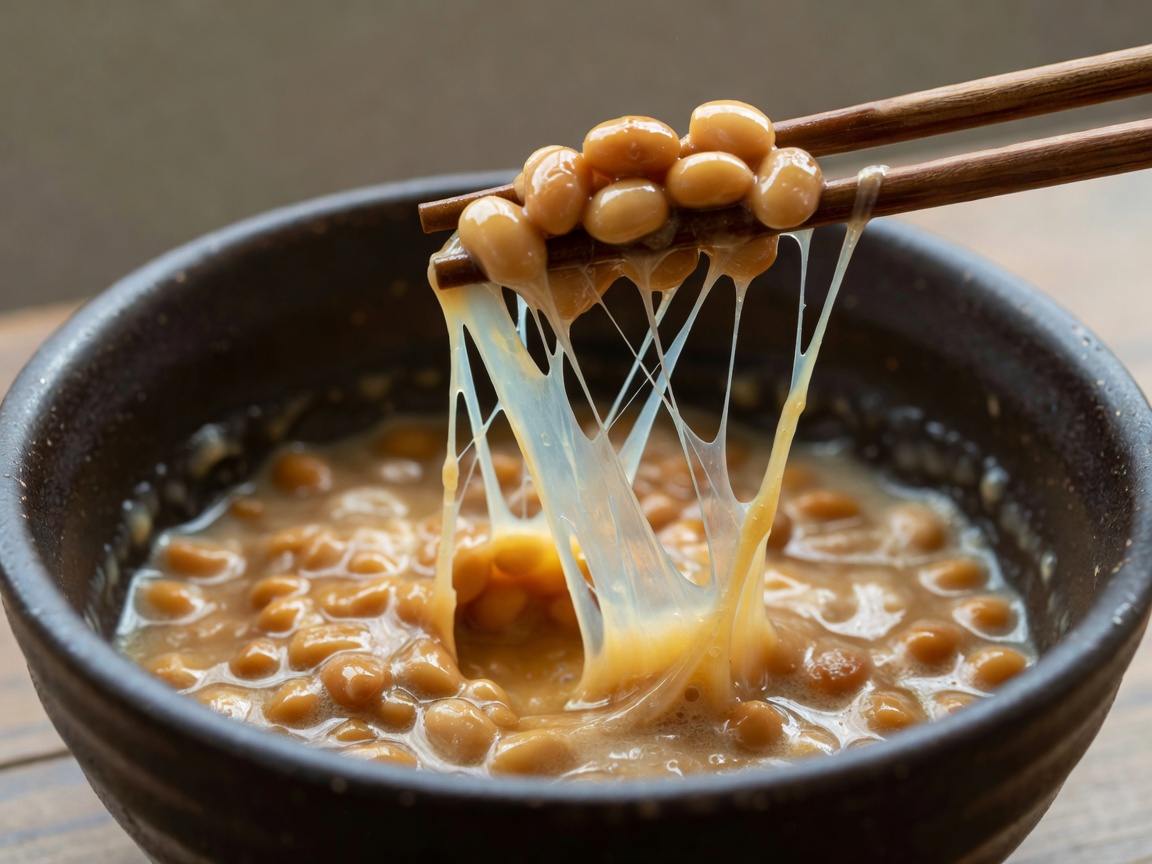
The texture of Nattō falls into a Japanese culinary category known as neba-neba, which translates roughly to sticky, slimy, or stringy. When stirred vigorously, Nattō develops a thick, web-like mucilage. While western palates often reject slimy textures, in Japanese cuisine, neba-neba foods (which also include okra and grated nagaimo yam) are highly prized and considered excellent for digestion and health.
Served over hot rice with a dash of soy sauce, karashi (mustard), and sliced green onions, Nattō delivers a profound umami punch. Understanding the appeal requires embracing texture as an equal partner to flavour.
Escamoles: The Caviar of the Desert
Moving to Central Mexico, we find Escamoles. Often described by high-end chefs as "insect caviar," escamoles are the edible larvae and pupae of ants harvested from the roots of agave and maguey plants.
Harvesting them is a precise and mildly dangerous art, as the ants are highly aggressive and the nests are located deep underground. The seasonal nature of the harvest and the difficulty of extraction make escamoles a luxury ingredient.
Tasting Note: Unlike the crunchy, overtly "bug-like" texture outsiders might expect from edible insects, escamoles possess a delicate, creamy texture akin to pine nuts or cottage cheese, with a subtle, nutty, and slightly buttery flavour. They are traditionally gently pan-fried with butter, epazote, and chili.
Century Eggs: Preserved Perfection
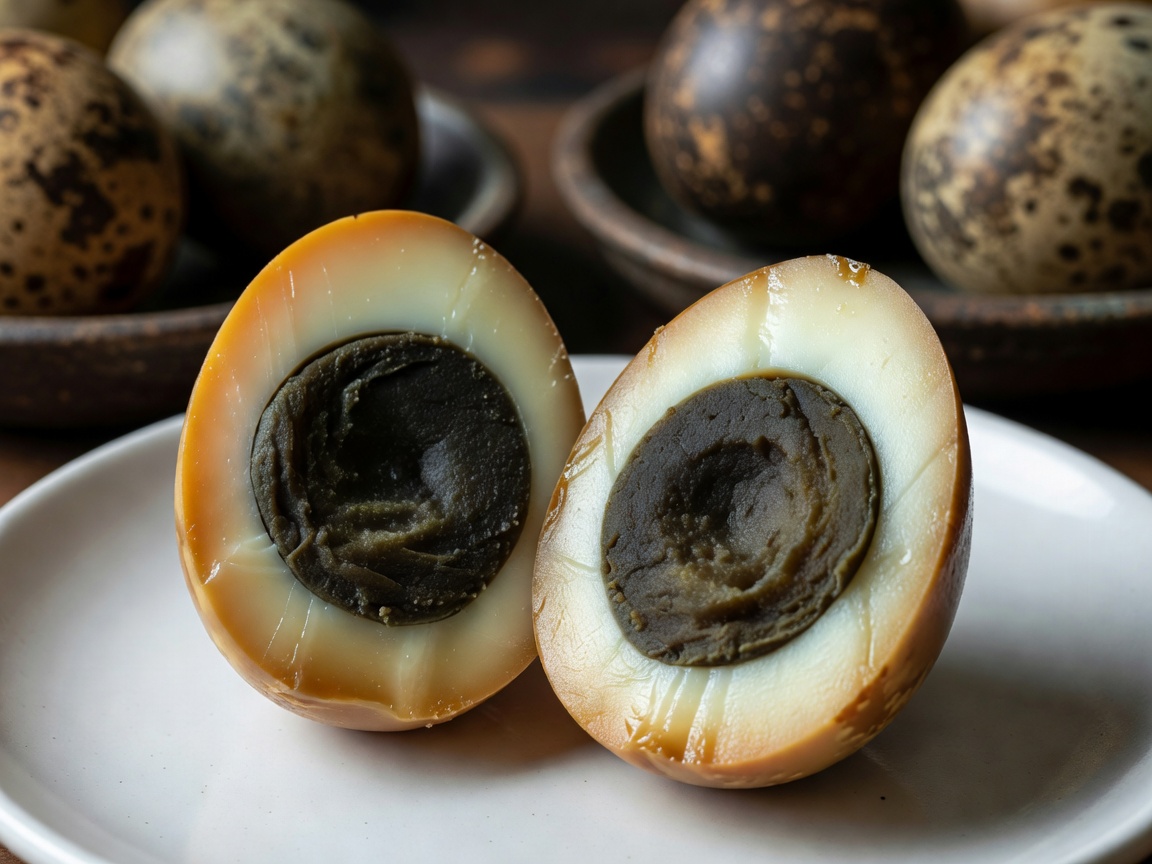
Known in Chinese as pidan, the century egg is a marvel of alkaline preservation. Duck, quail, or chicken eggs are encased in a mixture of clay, ash, salt, quicklime, and rice hulls for several weeks to months. The high pH of the curing compound causes a dramatic transformation.
The yolk becomes a dark green, creamy substance with a strong flavour of sulfur and ammonia, while the white turns into a dark brown, translucent jelly with a salty flavour. Often served sliced as an appetizer with pickled ginger or minced into a comforting rice congee, the century egg is a masterclass in how chemical alteration can create entirely new flavour profiles from a basic ingredient.
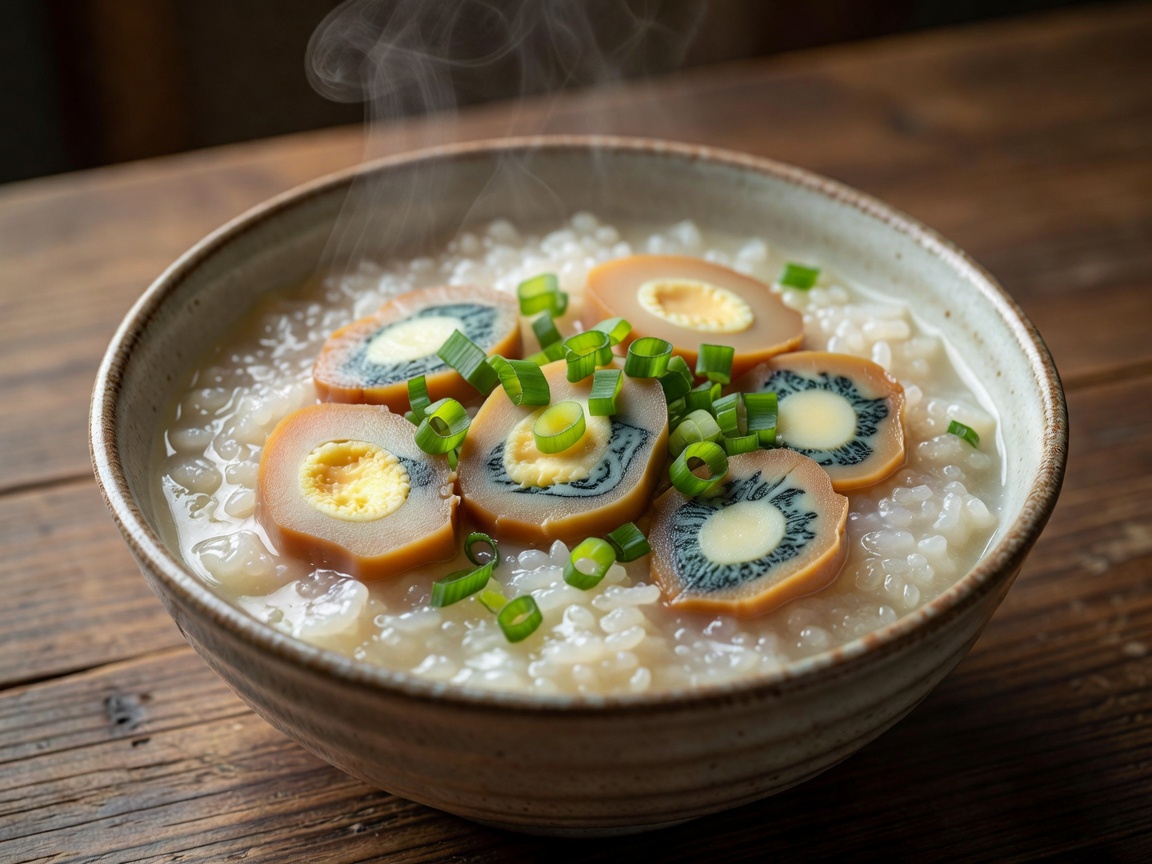 Century egg served traditionally in pork congee, softening its intense flavour.